

Understanding Live Dealer Games – Technology, Fairness, and European Realities
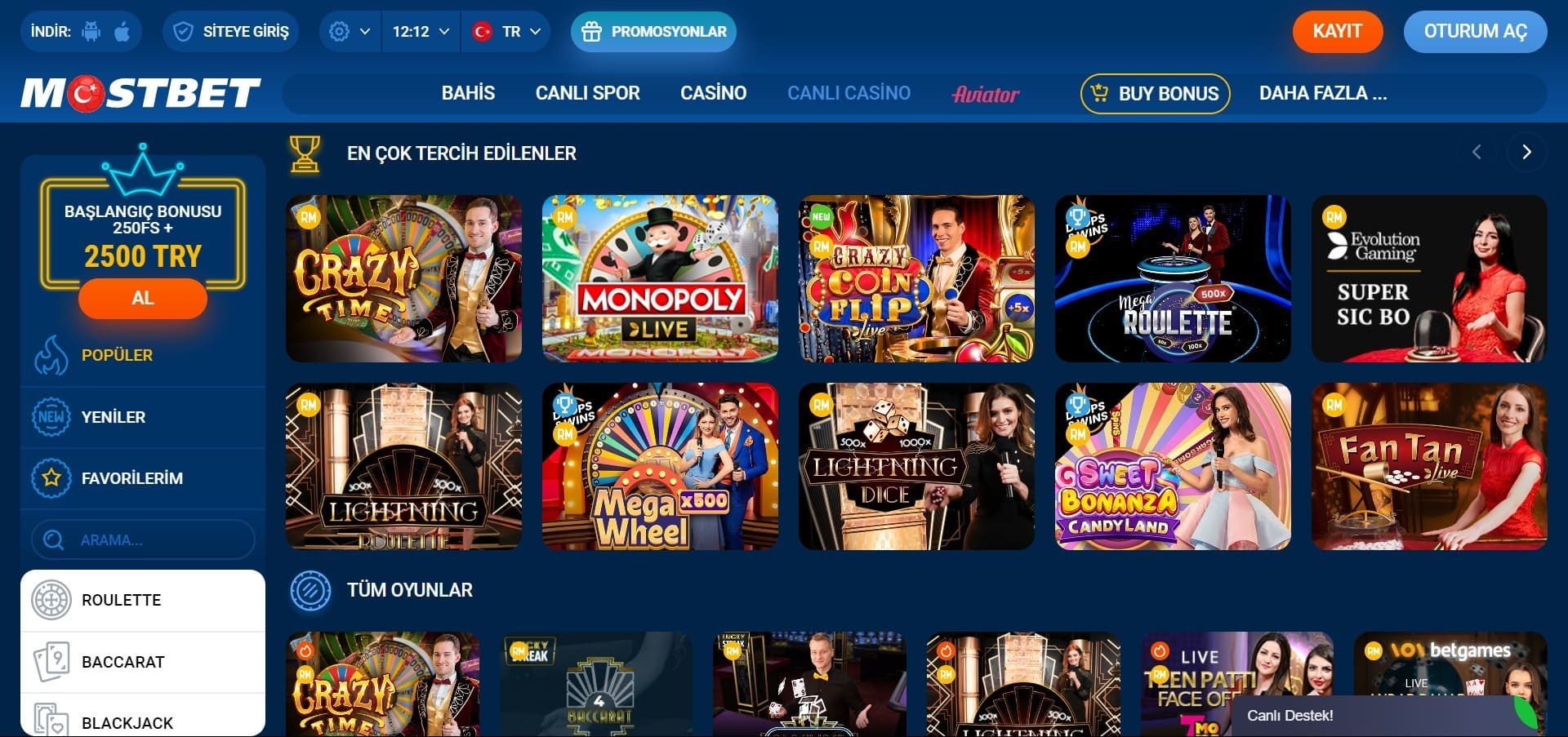
Live casino platforms bring the atmosphere of a physical gaming table directly to players across Europe, using advanced streaming technology and professional dealers. While the experience aims to replicate authenticity, it operates within a complex framework of technical constraints, regulatory oversight, and inherent limitations that every informed participant should scrutinize. This analysis dissects the operational mechanics, from latency and game integrity to the evidence supporting fairness claims, focusing on the European context where regulations like the Malta Gaming Authority and UK Gambling Commission set stringent standards. For instance, a platform like mostbet az casino utilizes such technology, but the core principles and challenges are universal across licensed operators. The following checklist-driven guide provides a factual examination of how these systems function, their risks, and the quality of verification available to players.
The Core Mechanics of Live Dealer Gameplay
At its essence, a live casino game is a broadcast from a specialized studio or sometimes a real casino floor. A human dealer conducts the game using physical equipment-cards, roulette wheels, dice-while multiple camera angles capture the action. Players participate via a digital interface, placing bets with virtual chips. The dealer’s actions are translated into data, and game results are determined by optical character recognition (OCR) technology scanning the physical outcomes. This creates a hybrid experience blending tangible elements with digital convenience, yet it introduces specific technical dependencies not present in traditional online Random Number Generator (RNG) games.
Latency – The Invisible Challenge
Latency, the delay between a physical event and its appearance on a player’s screen, is a critical technical constraint. It is influenced by the player’s internet connection quality, the physical distance to the streaming server, and the encoding/decoding processes. In fast-paced games like live blackjack, even a delay of one or two seconds can impact the player’s decision-making rhythm and perceived interaction. While studios invest in low-latency protocols and geographically distributed servers, a perfect real-time sync is physically impossible due to the laws of data transmission.
- Encoding Delay: The time taken by the studio’s hardware to compress the video signal for transmission.
- Network Propagation: The time for data packets to travel across the internet infrastructure between continents.
- Decoding and Buffering: The player’s device needs time to decompress the stream and often buffers a few seconds to prevent interruptions.
- Interaction Loop: A player’s action, like placing a bet, must travel back to the studio server, adding further round-trip delay.
- Geographic Disparity: A player in Lisbon connecting to a studio in Malta will experience lower latency than a player in Helsinki connecting to the same studio.
Evidence and Verification of Game Fairness
Fairness in live casino games is predicated on the transparency and auditability of the physical process. Reputable European-licensed operators subject their live studios to regular audits by independent testing agencies like eCOGRA, iTech Labs, or Gaming Laboratories International. These audits verify the integrity of the equipment, the randomness of physical outcomes (e.g., card shuffling, ball spin), and the accuracy of the OCR data capture. However, the quality of evidence available to the player is indirect; one must rely on the published audit certificates and the regulator’s enforcement rather than direct, real-time verification.
Players should look for specific indicators of operational integrity. These include clear display of the game’s rules and return-to-player percentages, visible security seals for equipment like card shufflers, and uninterrupted camera angles that show all critical actions. The absence of cuts or obscured views during crucial moments, such as the roulette ball settling, is a basic expectation. Furthermore, the use of multiple cameras, including a dedicated “tabletop” and a “wheel” or “shoe” camera, allows for a comprehensive view that deters manipulation.
Technical Constraints Shaping the Experience
The pursuit of a seamless live experience is bounded by several immutable technical factors. These constraints define the current limits of the technology and influence game design, studio location strategies, and ultimately, the user experience.
| Constraint Type | Practical Implication | Mitigation Strategies in Europe |
|---|---|---|
| Bandwidth Requirements | High-definition multi-camera streams demand stable, high-speed internet from both provider and player. | Offering multiple video quality streams (e.g., 720p, 1080p) to accommodate varying connection speeds. |
| Studio Infrastructure | High operational costs limit game variety and table availability compared to RNG software. | Centralizing studios in jurisdictions like Malta, with lower costs, and serving the broader EU market from there. |
| Dealer Interaction Limits | A single dealer cannot meaningfully interact with hundreds of players simultaneously. | Using chat functionality moderated by a separate host, with dealers acknowledging common greetings only. |
| Game Speed | Pace is dictated by physical actions; it is slower than fully automated RNG games. | Introducing speed variants like “Lightning Roulette” where RNG multipliers are added to a live base game. |
| Scalability | Each physical table serves a finite number of players, creating peak-time waiting lists. | Running identical tables in parallel from the same studio and using smart seating algorithms. |
| Regulatory Compliance | Each EU member state may have specific technical requirements for data logging and stream archiving. | Operating separate studio “rooms” or feeds tailored for specific licensed markets like Sweden or Germany. |
Inherent Limitations and Participant Risks
Beyond technical specs, live casino participation carries distinct limitations and risks that differ from both land-based and standard online casino play. Acknowledging these is crucial for a measured approach. The social element, while a key selling point, is highly curated and limited. The environment is also not immune to the fundamental mathematical house edge present in all casino games, which is typically published in the game rules.
- Perceived Control Illusion: The presence of a human dealer can create a false sense of influence over outcomes that are still governed by chance and physical laws.
- Stream Reliability Risk: Any interruption in the player’s internet or the studio’s broadcast can freeze a game mid-hand, leading to delayed resolutions and potential frustration.
- Limited Game History: While RNG games often provide detailed history logs, reconstructing a specific live game round for personal review can be difficult unless the platform offers a recorded replay feature.
- Betting Time Pressure: The live environment imposes strict time limits for placing bets, which can lead to rushed decisions, especially for novice players.
- Ambiguity in Rule Disputes: Although rare, discrepancies between what the camera shows, what the OCR registers, and what the dealer announces can occur, with the digital data log typically being the final arbiter.
- Concentration Demand: The slower pace requires sustained attention over longer sessions compared to rapid RNG games, which can lead to fatigue.
European Regulatory Landscape and Consumer Safeguards
In Europe, live casino operations fall under the general gambling regulations of the jurisdiction where the operator is licensed and where the player is located. Key regulatory bodies, such as the UK Gambling Commission, the Malta Gaming Authority, and the Swedish Spelinspektionen, enforce strict standards on live dealer studios. These mandates cover technical reliability, fairness verification, anti-money laundering protocols, and responsible gambling tools. A licensed operator must demonstrate that its live games are fair, the streams are secure, and player funds are protected.
For the consumer, the primary safeguard is choosing operators licensed within reputable European jurisdictions. These licenses compel operators to provide clear complaint procedures, often involving an independent Alternative Dispute Resolution (ADR) provider. Furthermore, regulations increasingly demand transparent information on game rules and odds, as well as mandatory tools for deposit limits, time-outs, and self-exclusion, which must be fully functional within the live casino environment. Mövzu üzrə ümumi kontekst üçün BBC Sport mənbəsinə baxa bilərsiniz.
Evaluating the Quality of Live Casino Evidence
Players seeking to verify the integrity of a live game must adopt a critical eye toward the evidence presented. High-quality evidence is proactive, transparent, and accessible.
- Live Auditing Feeds: Some providers offer a dedicated “statistics” or “audit” feed showing real-time RNG results for hybrid games or detailed historical data.
- Published Certification: Current certificates from major testing labs should be easily found on the operator’s website, not buried in legal terms.
- Uninterrupted Camera Work: A lack of cuts or camera angle changes during ball spins, card deals, or dice throws is a basic visual indicator of procedural integrity.
- Dealer Transparency: Professional dealers will clearly announce all actions and results, and visibly show procedures like revealing the hole card in blackjack.
- Game Rule Clarity: The exact rules, house edge, and available bets should be listed in the game’s information section, not left for the player to assume.
The Future Trajectory – Technology and Regulation Convergence
The evolution of live casino technology in Europe is being shaped by two converging forces: advancing tech and tightening regulation. Innovations like 4K streaming, low-latency 5G connectivity, and augmented reality interfaces promise enhanced immersion. Simultaneously, regulators are focusing on player protection, demanding “frictionless” affordability checks and stricter advertising codes. This dual pressure will likely lead to more sophisticated, yet more controlled, live environments. The next frontier may involve greater personalization through data, but within a regulatory framework that prioritizes consumer safety over unrestrained engagement, fundamentally altering how these services are designed and delivered across the continent.
Ultimately, the live casino format represents a significant engineering and operational achievement, merging broadcast entertainment with interactive gaming. Its continued success in the European market hinges not just on technological prowess, but on maintaining a demonstrably fair, secure, and responsibly managed environment that meets the high evidentiary standards expected by both regulators and a discerning public. Understanding its inner workings, limitations, and the safeguards in place empowers participants to engage with the format from an informed perspective. Qısa və neytral istinad üçün volatility mənbəsinə baxın.